Every Amazon Brand Rated
Best Mattress Brands on Amazon: 2026 Reviews
Mattresses on Amazon range from budget foam rolls to hybrid builds with pocketed coil systems and CertiPUR-US certified layers, and most "best of" lists online don't tell you which brands actually hold up. We rate every brand we cover on the same six criteria, using Amazon listing data, star ratings, review counts, and what real buyers ask when they search, so you can see exactly why a brand earns a Recommended or a Skip. No brand pays to be here.
70,003 reviews796 listings251 buyer questions
148 brands tracked
29 in the queue
15 brands reviewed
Mattress Brands We Rate and Review
Grbsy mattresses earn solid marks across 787 Amazon reviews, with two hybrid lines and two all-foam options covering everything from standard bedrooms to RV bunks.
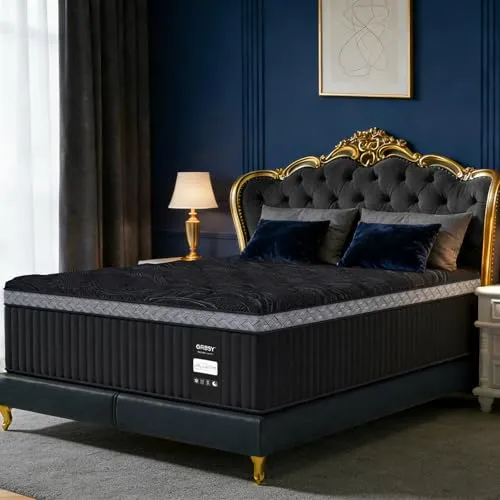
RRESTA makes hybrid mattresses built for back and hip support, and the line earns solid marks from buyers who want hotel-quality feel without the hotel price tag.
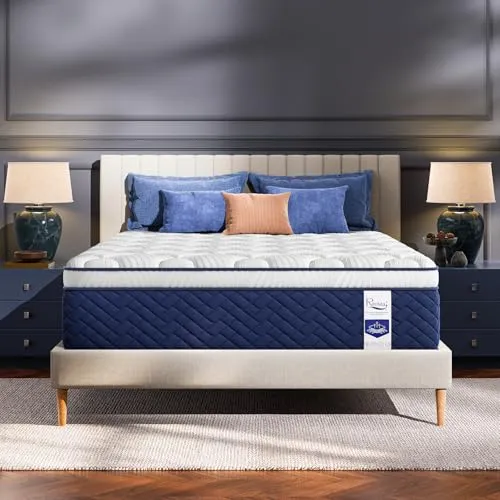
Best Price Mattress makes affordable foam and hybrid mattresses on Amazon that consistently earn 4.4 stars across more than 17,000 reviews, a genuinely strong showing for a budget-tier line.
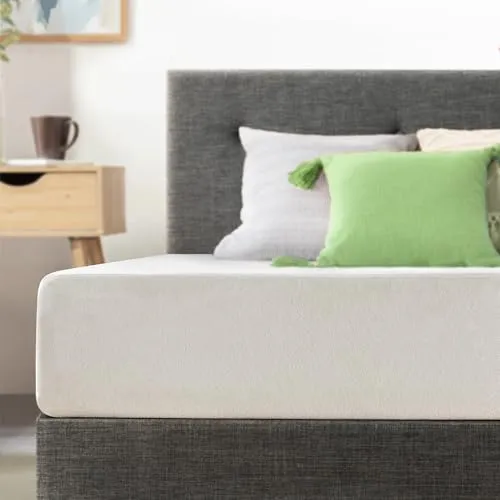
UniPon mattresses are a solid pick for back sleepers and couples who want hybrid construction with genuine lumbar support at an accessible price.
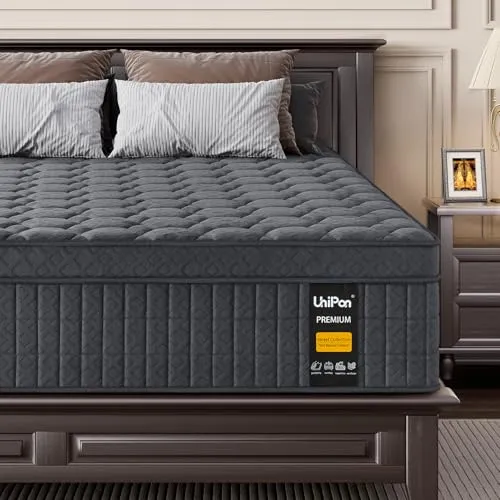
LETMOON's strongest argument is its 14 Inch Hotel Luxury Mattress, which carries 71 Amazon reviews at 4.
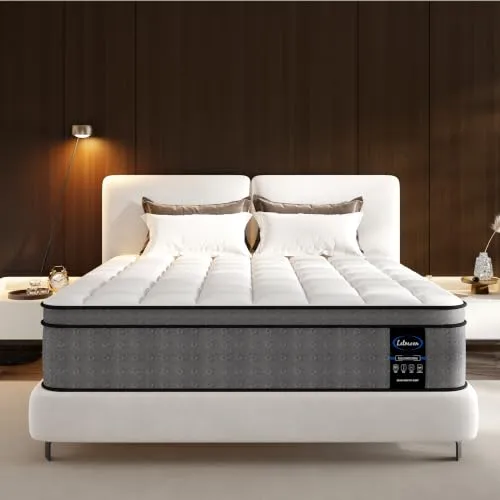
FANSACE makes hybrid mattresses worth considering if you want a thick, supportive bed with pocketed coils and memory foam layered on top, especially if you prefer sleeping cooler than all-foam allows.
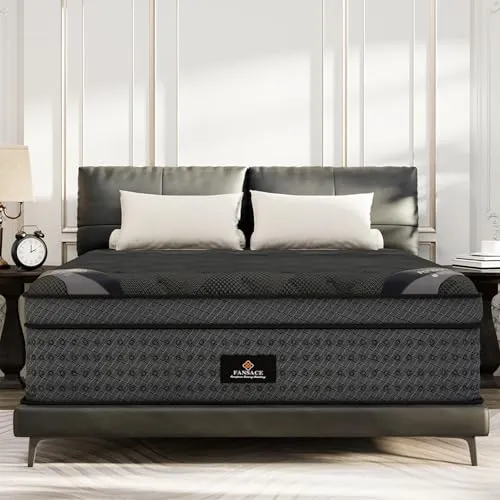
EGOHOME mattresses deliver solid all-foam comfort at a budget-friendly tier, and they're a genuine fit for side and back sleepers who want pressure relief without overspending.
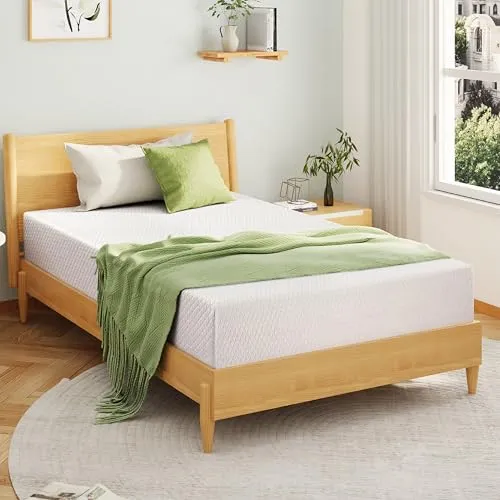
Dyonery mattresses are a solid pick for budget-conscious buyers who want CertiPUR-US certified memory foam across a wide range of thicknesses and feels.

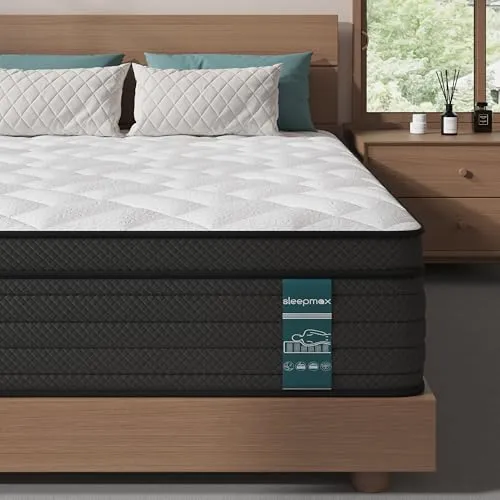
SleepMax mattresses are hybrid beds built for back and side sleepers who want firm support and pain relief without paying department-store prices.
What to Check Before Buying Mattresses
What Type of Mattress Should You Buy?
Memory foam contours closely and isolates motion well but sleeps warmer than coil-based options.
Innerspring mattresses sleep cool and feel responsive but transfer more motion across the bed.
Hybrid constructions layer foam over pocketed coils, combining pressure relief with airflow and durability.
Which Firmness Fits Your Sleep Position?
Side sleepers generally need a softer surface, roughly a 4 to 6, to cushion hips and shoulders without pushing back.
Back and stomach sleepers need firmer support, typically a 6 to 7, to keep the spine from bowing under body weight.
Firmness ratings vary between brands, a "medium-firm" from one manufacturer can feel materially different from another's.
Is New Mattress Off-Gassing a Real Concern?
Nearly all foam mattresses off-gas VOCs when first unboxed; the smell typically fades within 24 to 72 hours with ventilation.
CertiPUR-US certification means the foam was independently tested and caps total VOC emissions at 0.5 ppm.
CertiPUR-US does not cover the fire barrier layer, where fiberglass use is a separate and unrelated concern worth checking.
How Long Will Your Mattress Actually Last?
A well-built mattress should hold its shape and support for 7 to 10 years; sagging before that signals low-density foam or a weak coil system.
Foam density and coil gauge are the two construction details most predictive of long-term durability.
Warranty length is a useful signal: a brand confident in its build tends to back it for 10 years or more.
Does Your Mattress Sleep Hot at Night?
Dense memory foam traps body heat; all-foam beds consistently score lower on cooling than hybrids or innersprings.
Pocketed coil systems create airflow through the mattress core that foam layers alone can't replicate.
Gel infusions and phase-change covers can improve cooling on foam beds, but the effect varies by construction quality.
How We Rate Every Mattress Brand
How the badge is set
Strong counts 2 points, Average 1, Weak 0; Limited data is left out.
A strong brand lists specific, verifiable construction details, such as CertiPUR-US certified foams, stated foam layer thickness and density, or a named coil system, and carries consistently high star ratings across multiple models in the line.
A strong brand delivers meaningful construction depth, adequate layer count, size range, and stated warranty terms, relative to what comparable brands in the same Amazon tier offer.
A strong brand covers the full spectrum a mattress buyer needs: multiple sizes from twin to California king, more than one firmness option or mattress type, and enough models that different sleeper profiles can find a fit.
A strong brand earns high star ratings across its line with substantial review counts per model, and the praise patterns that show up in search results and buyer questions center on comfort and durability rather than returns and disappointment.
A strong brand states a clear warranty term directly on the listing, at least ten years for most construction types, and what appears in search results about its support experience doesn't show a pattern of claim disputes or unresolved complaints.
The current pick
What Shoppers Are Actually Choosing Now
- 01Memory foam dominated for years, but buyers are shifting toward hybrids that combine foam comfort with coil breathability.
- 02The category spans a wide range from accessible all-foam options to high-end luxury hybrids, and the right choice depends on your sleep needs, not the price tag.
- 03A clear budget-to-premium split exists: entry-level all-foam beds and mid-range hybrids cover most buyers, with luxury builds adding zoned support and premium materials above that.
- 04Buyers increasingly ask whether a $500 bed and a $2,000 bed sleep that differently, and for many sleepers, a well-built mid-range hybrid closes much of the gap.
Which Mattress Construction Is Right for You?
- 01All-foam mattresses, including memory foam, offer deep pressure relief and excellent motion isolation, but tend to sleep warmer and can sag faster in lower-density builds.
- 02Innerspring mattresses sleep cool and feel responsive underfoot, but the interconnected coil grid transfers motion across the bed and provides minimal pressure relief at the hips and shoulders.
- 03Hybrid mattresses pair at least 2 to 3 inches of foam with a pocketed coil system, delivering pressure relief and motion isolation while maintaining the airflow that all-foam beds lack.
- 04Latex mattresses offer a responsive, buoyant feel with natural breathability, though the material is denser and heavier than foam and the feel polarizes sleepers.
Buyer scenarios
Which Mattress Fits Your Specific Situation?
- 01Couples sharing a bed should prioritize motion isolation and edge support: pocketed coil hybrids outperform traditional innersprings on both counts.
- 02Back-pain sufferers need zoned lumbar support and a firmness level that keeps the spine neutrally aligned, typically a medium-firm between 5.5 and 6.5.
- 03Hot sleepers should look for a hybrid or innerspring construction with minimal dense foam in the comfort layer, plus a breathable or phase-change cover.
- 04Combination sleepers who shift positions through the night need a responsive surface with enough pressure relief to work in multiple positions, usually a medium-firm hybrid.
- 05Apartment or guest-room buyers often prioritize a manageable setup weight and a compressed-box delivery, where all-foam and lighter hybrid options are easier to handle alone.
Helpful Mattresses Guides
No, memory foam off-gassing is not dangerous for most people, but the chemical smell released by new mattresses, primarily VOCs from polyurethane foam, can cause temporary headaches or irritation i…
Yes, you can put a box spring under a hybrid mattress, but a solid or slatted platform is usually a better match for how hybrid mattresses are built.
No. Most hybrid mattresses are one-sided by design and should not be flipped. The comfort layers, foam, pillow top, or euro top, sit on top of the coil unit intentionally, and sleeping on the under…
No, you don't strictly need to wait a full 24 hours, but giving a memory foam mattress at least 4–6 hours before sleeping on it is a reasonable minimum. Most mattresses are fully usable within that…
Yes, placing plywood under a mattress makes it feel firmer by eliminating flex and sag in the support surface beneath it. The effect is most noticeable on slatted bed frames with wide gaps or on wo…
Place a hybrid mattress on a solid, flat foundation that distributes weight evenly and keeps the coil system from sagging, most commonly a platform bed with slats no more than 3 inches apart, a sol…
On YouTube
Mattresses Explained on Video
FAQ
Common Questions About Buying a Mattress
01 Is $2,000 a lot to spend on a mattress?
02 How does this site choose which brands to cover?
03 Do you earn money from the links on this site?
04 How current are your brand reviews?
Trusted sources
Worth Reading Before You Buy
- EGOHOMEOfficial EGOHOME site, manufacturer details straight from the source.
- Reddit r/MattressActive community forum where shoppers discuss mattress recommendations, comparisons, and sleep technology.
- YelpLists and reviews local mattress retailers in Phoenix, useful for shoppers wanting to buy in-store.
- Consumer ReportsComprehensive buying guide explaining how to choose a mattress based on spinal support and sleep needs.
Ready to Find the Right Brand?
The mattress category on Amazon is loud, full of overlapping brand names, identical-looking foam specs, and "lifetime warranty" claims that vary wildly in the fine print. Browse our brand reviews to see exactly which brands earn a Recommended badge and why, with the full six-criteria breakdown for each one. If you're not sure where to start, the brand directory lays out every rating side by side so you can compare at a glance.